Philippines Embassy list in Philippines
Need help?Chat with us
Why Trip Registration at the Philippines Embassy is Important
Registering your trip with the Philippines embassy is a crucial step for ensuring your safety while traveling abroad. In times of crisis, such as natural disasters, political unrest, or medical emergencies, having your trip registered enables the embassy to reach out and provide necessary assistance. For example, during a severe earthquake, the embassy can quickly communicate vital information and coordinate evacuations for registered travelers. In cases of political unrest, travelers can receive timely updates on safety protocols and be guided to safe areas. Additionally, if you face a medical emergency, the embassy can better assist in facilitating medical care or arranging for your return flight. Overall, trip registration enhances safety, improves communication, and strengthens the support network for Filipino travelers, making it an invaluable tool in times of unforeseen challenges.
Philippines Embassy FAQs
Can the Philippines embassy assist in legal issues abroad?
Yes, the Philippines embassy can offer guidance and support for legal issues abroad, including providing a list of local lawyers and information on local laws.What should I do if I lose my Philippines passport in the Philippines?
If you lose your passport, report it immediately to the local authorities and then contact the Philippines embassy for guidance on obtaining a replacement and any necessary documentation.How can I contact the Philippines embassy during an emergency?
You can contact the embassy through their emergency hotline, which is available 24⁄7. The contact details will be provided during your registration or can be found on the embassy’s official website.What services are offered for distress situations?
The embassy offers support in distress situations, including assistance to nationals who are victims of crime, lost documents, or are in need of legal counsel.
Services Provided by Philippines Embassies in the Philippines
Passport Services
- Issuance of new passports
- Renewal of expired passports
- Lost passport replacement
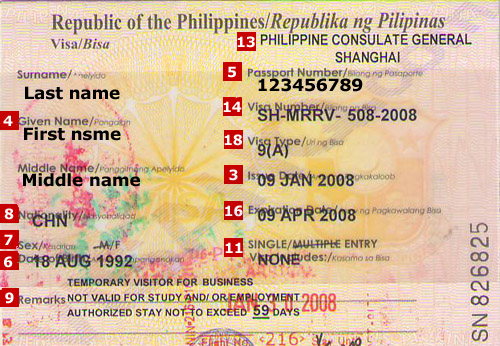
Visa Issuance for Foreign Nationals
- Process and issue tourist visas
- Work and study visa applications
Assistance in Legal or Medical Emergencies
- Support in legal matters
- Facilitation of medical care
- Evacuations during emergencies
Travel Alerts and Safety Updates
- Issuing regular safety updates and travel advisories
- Informing nationals of potential risks and safety measures
Support for Nationals Detained Abroad
- Assistance for detained Filipinos
- Coordination with local legal representatives
Summarized Diplomatic Presence
The Philippines maintains a significant diplomatic presence abroad, with embassies and consulates located in major global cities. Key embassies can be found in places like Washington D.C., Tokyo, London, and Canberra, where they serve various functions such as representing Filipino interests, providing essential consular services, and fostering trade and cultural relations. These diplomatic missions play a crucial role in enhancing bilateral relationships, safeguarding the rights of Filipino citizens abroad, and promoting the country’s image internationally. Through active engagement in diplomacy, the Philippines aims to strengthen ties and collaborate with other nations on global issues.